
Therapeutic Recreation in Acute Care

Therapeutic Recreation Support in Long Beach, CA
Understanding Therapeutic Recreation Support in Acute Care
Acute Care
Experiencing dangerous symptoms like self-harm can scare you, but you may not know where to go. You should seek immediate medical attention at a hospital or medical center. Other options include acute care hospitals that can diagnose you and provide medication to manage your symptoms. The doctor caring for you can refer you to an acute psychiatric health facility.
Mental health crisis stabilization units provide symptom management and medication stabilization under the care of a doctor, psychiatrist, and a skilled nursing staff.
Psychiatric Conditions That Require Acute Care
- Acts of violence or aggression
- Suicidal ideation or attempts
- Self-injury behaviors such as cutting
- Ingestion of potentially harmful objects

Patients That Benefit From Recreation Support
- Those experiencing depression or anxiety
- Individuals facing social isolation
- Patients need to develop communication skills for emotional expression
- Those working toward independent living skills
Getting Started Is Easy
Step 1: Contact Our Admissions Team
Step 2: Verify Insurance
Step 3: Schedule Admission
How Our Program Differs
- On-site Team of Psychiatrists: Our on-site psychiatrists provide medication stabilization, monitoring, and management. Your well-being is vital throughout your stay in our inpatient mental health crisis facility and our outpatient services.
- Case Management & Aftercare Support: Case management begins when you’re admitted to either our inpatient or outpatient program. Our case managers and social workers ensure you have a safe place to go, whether that’s housing or a facility, once you leave us.
- Transportation Coordination Provided: We offer transportation services coordinated with a trusted provider that takes you to and from inpatient intake, discharge destinations, as well as transportation to/from our onsite outpatient programs. *Transportation is provided to patients within a 50-mile radius
- Stabilization for Managing Psychiatric Symptoms: Ocean View provides 24/7 inpatient psychiatric care. We also have outpatient treatment programs.
- Patient Resource Network: Transitioning from inpatient or outpatient treatment can be overwhelming. That’s why we have an opt-in patient follow-up option. You don’t have to be alone in managing your symptoms.
Our Recreational & Psychoeducational Programming
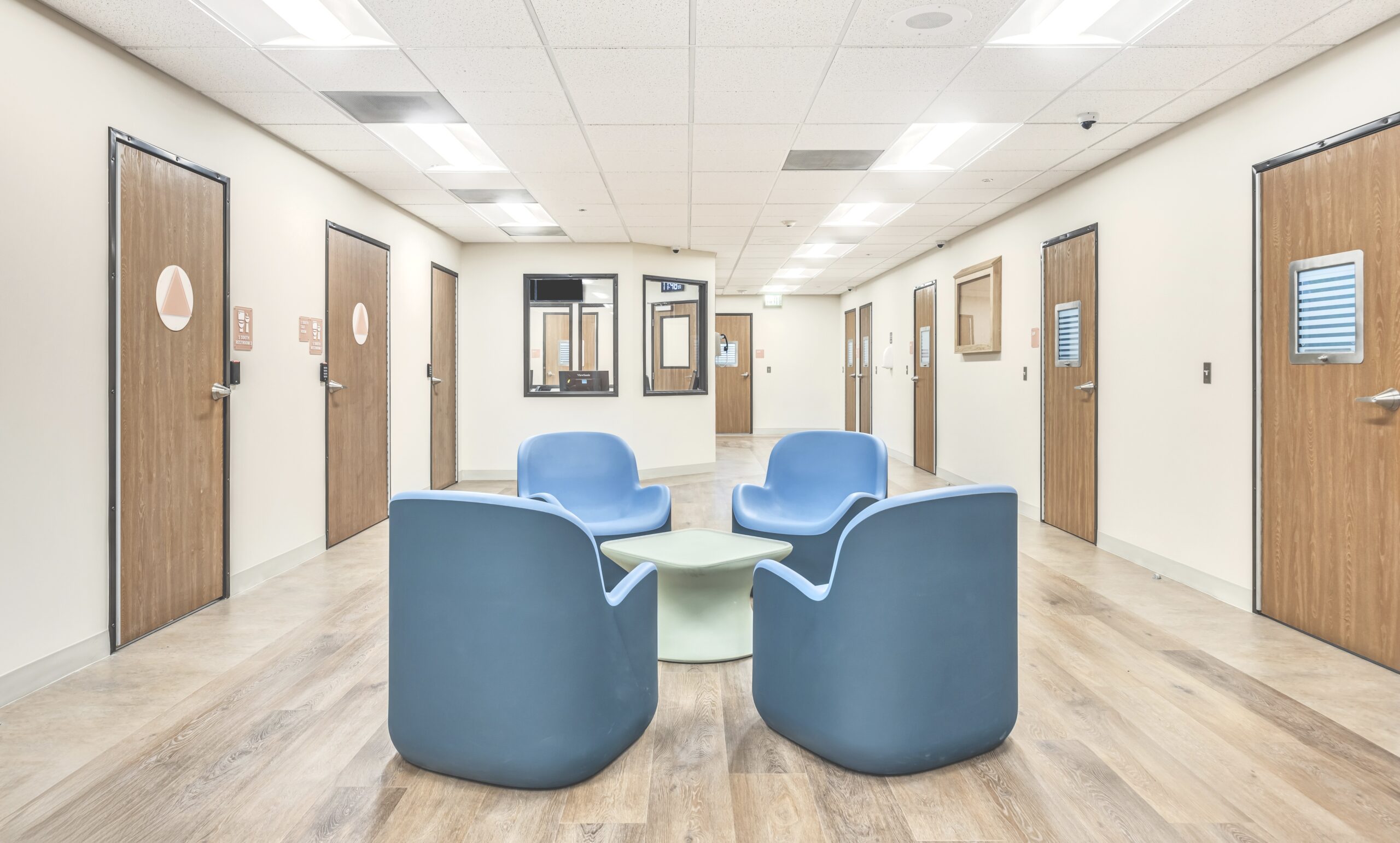
Inpatient Psychiatric Care
- Insomnia, racing thoughts, impulsivity, rapid or pressured speech
- Abnormal bouts of euphoric energy
- Reckless behavior or making decisions that affect an individual’s safety or well-being
- Inability to provide shelter, food, and safety as a result of mental impairment
- Helplessness, hopelessness
- Suicidal or homicidal ideations
- Psychosis
- Self-harming behaviors
Personalized Care
- Licensed Psychiatric Care
- 24/7 Nursing and Monitoring
- 6 Daily Group Sessions
- Psychoeducational Groups
- Therapeutic Recreation
- Coping Skills Development
- Patients are placed in groups based on the severity of their symptoms
Medication Stabilization
Adverse effects can determine the type of antipsychotic medication you will receive. Some medical conditions, for example, dementia, prevent a patient from being prescribed an antipsychotic.
An essential component of our inpatient crisis stabilization is monitoring and adjusting your medication if necessary.

Outpatient Levels of Care

Partial Hospitalization Program
- Four group sessions a day that meet five days a week. These sessions include a psychoeducational group led by a social worker and a therapeutic recreation support session led by a recreation therapist.
- Case management
- Snacks and lunch
Intensive Outpatient Program
- Focused Coping Skills
- Community Reintegration
Continued Medication Management Support With Our PHP and IOP
Aftercare & Opt-In Patient Follow-Up
- Case manager support
- Outpatient transitions
- Housing or facility placements
- Community support referrals
- Routine Check Ins
Provided Transportation
- Inpatient intake: Our transportation service eases anxiety about getting to your inpatient intake.
- Discharge destinations: We provide safe transportation so you don’t have toworry about getting to where you need to be after returning to the real world.
- Outpatient sessions: Using our transportation service alleviates any concerns about commuting to one of your IOP sessions.
Insurance and Payment Options
Medicare, Tricare, Carelon, BlueCross BlueShield, Humana, MHN
Ocean View Psychiatric Health Facility: Moving Forward With Recreation Support in an Acute Psychiatric Care Health Facility
Understand and Treat Your Acute Psychiatric Conditions
Deciding if Ocean View Psychiatric Health Facility Is Right for You
Contact Our Admissions Team
Our Referral Process
FAQs
Yes, Ocean View accepts most major insurance plans, including Medicare and private insurance options like Aetna. They do not accept Medicaid, but their admissions team can verify your insurance benefits and help you understand coverage. Support with insurance processing is available 24/7 to assist you in accessing the care you need.
Determining the appropriate level of care involves a comprehensive evaluation by a mental health professional. Ocean View’s team works with patients and their providers to assess symptom severity and needs, guiding decisions on inpatient, partial hospitalization, or outpatient programs. An individual’s mental health condition, current stability, and treatment goals help inform the right level of care.
Yes, Ocean View Psychiatric Health Facility treats young adults ages 18 and up as part of their mental health stabilization programs. Their services include inpatient crisis care, partial hospitalization, and outpatient programs designed to meet the needs of diverse age groups, including young adults, with a focus on personalized treatment and support.
Their levels of care, from inpatient to outpatient, include family support and case management services. Social workers collaborate with patients to develop tailored treatment and aftercare plans, often involving family members to promote ongoing recovery. Family involvement and support are integral to ensuring a successful transition and continued mental health stability.