

Panic Disorder Treatment Near Los Angeles, California
Insurance and Payment Options

Panic Disorder Treatment in California

Ocean View provides effective, evidence-based interventions for anxiety disorders by using the best healthcare practices for individuals in need of acute psychiatric care. Our Long Beach psychiatric health facility provides a safe, supportive environment where you will receive the individualized, comprehensive treatment and attention you deserve.
When you come to Ocean View Psychiatric Health Facility, our multidisciplinary team of doctors, therapists, and skilled medical staff will work with you through your crisis. Our inpatient, partial hospitalization, and intensive outpatient programs reflect the interests, values, needs, and choices of the individuals we serve. The integration of clinical expertise, current best practices, and client values enables us to provide evidence-based treatment that reflects your best interests.
Getting Started Is Easy
Step 1:
Contact a
Representative
Step 2:
Verify
Insurance
Step 3:
Schedule
Admission
How Our Program Differs
We know you’re different from everyone else. Because of this, we offer acute mental health care tailored to your unique needs. With your input, we build partnerships with medical and behavioral health services so you can transition from us to your daily life. We do this by providing comprehensive mental health services accessible to everyone.
- On-Site Team of Psychiatrists: Our on-site psychiatrists provide medication stabilization, monitoring, and management. Your well-being is vital throughout your stay in our inpatient mental health crisis facility and our outpatient services.
- Case Management & Aftercare Support: Case management begins when you’re admitted to either our inpatient or outpatient program. Our case managers and social workers ensure you have a safe place to go, whether that’s housing or a facility, once you leave us.
- Transportation Coordination Provided: We offer transportation services coordinated with a trusted provider that take you to and from inpatient intake and discharge destinations, as well as to/from our on-site outpatient programs. *Transportation is provided to patients within a 50-mile radius
- Stabilization for Managing Psychiatric Symptoms: Ocean View provides 24/7 inpatient psychiatric care. We also have outpatient treatment programs.
- Patient Resource Network: Transitioning from inpatient or outpatient treatment can be overwhelming. That’s why we have an opt-in patient follow-up option. You don’t have to manage your symptoms alone.
Understanding Panic Disorder

Understanding Panic Attacks and How They Impact Life
Panic attacks can be disruptive and significantly impact your emotional, physical, and social well-being. The areas of your life affected include:
- Mental Health: The impact of panic attacks on your mental health can lead to the development of mental health conditions. Mental health conditions like panic disorder, depression, or generalized anxiety disorder affect how you interact with others. You may also have difficulty focusing, relaxing, or having fun.
- Withdrawal: Anxiety can disrupt your daily activities. You may avoid people, events, or places to avoid the possibility of having another panic attack or having had a panic attack. When you isolate yourself from social situations, your relationships with family, friends, and work can become strained.
- Physical: Recurrent panic attacks affect your physical well-being. When you have a panic attack, your fight-or-flight instinct kicks in. The physical toll of this response includes muscle tension, high blood pressure, and fatigue.
- Academic and Professional: Panic attacks are unpredictable, which can interfere with your career or academic life. You can miss deadlines and appointments, call in sick regularly, or find it difficult to focus on a task. These can occur if you isolate yourself because you’re afraid of having a panic attack in a place where safety or comfort is hard to find.
- Racing heart
- Trembling
- Chills
- Sweating
- Shortness of breath
- Chest pain and feeling like you’re having a heart attack
- Tingling or numbness in the hands
- Nausea or stomach pain
- Dizziness
Symptoms Associated With Panic Disorder

Panic disorder symptoms can be limited to when you have a panic attack and may include:
- Physical symptoms of panic disorder are similar to those of a panic attack. You can have one or more symptoms like sweating, hot flashes, increased heart rate, nausea, a feeling of choking, and chest pain.
- Psychological symptoms can include a sense of being detached from yourself, a fear of dying, feeling smothered, thought patterns linked to fear of symptoms, avoidance behaviors, and feeling like you have a mental illness.
Panic disorder and anxiety disorder treatment includes medication management and treatment from a mental health professional.
Our Panic Disorder Treatment in Southern California
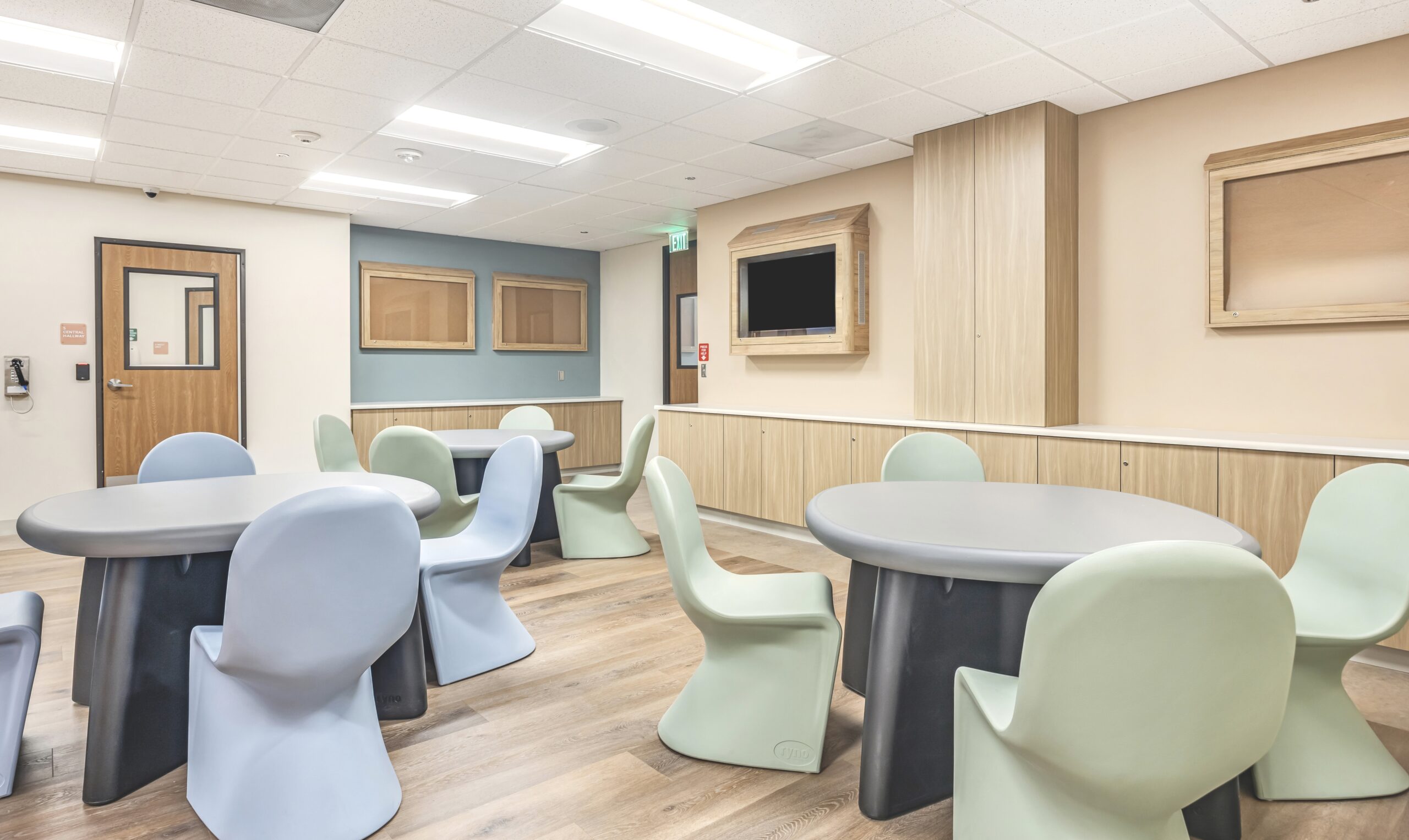
Levels of Care to Help You Manage Symptoms of Panic Disorder
Inpatient Psychiatric Care
While you’re in our inpatient psychiatric unit, you will receive comprehensive care that meets your mental health and medical management needs. Our licensed psychiatric care team will provide medical, psychoeducational support that includes:
- Licensed psychiatric care
- 24/7 nursing and monitoring
- 6 daily group sessions
- Psychoeducational groups that focus on understanding mental health disorders and their symptoms
- Therapeutic recreation to develop skills that help you find inner peace (art, painting, music, and animals/pets)
- Coping skills development to help with symptom management and quieting negative thoughts or feelings
- Patients are placed in groups based on the severity of their symptoms
Medication Stabilization
Medication management is a key part of our inpatient crisis stabilization, where medications are carefully reviewed and prescribed based on each individual’s medical history, needs, and potential side effects. If a patient is experiencing agitation or other symptoms, appropriate medications may be used to help manage these issues safely. Continuous monitoring allows our healthcare team to make adjustments as needed to ensure optimal care and safety throughout treatment.
Patients Are Grouped by How Severe Their Condition Is, Not by Their Age or Specific Diagnosis
At Ocean View, we personalize your care to meet your needs based on the severity of your symptoms. We do this because your unique needs can’t be limited to your age or diagnosis. That’s why our facility has different levels of care. Each level provides the structured support you need for symptom management. The psychoeducational and recreation-based groups focus on stabilization and clinical improvement.
Outpatient Levels of Care
Outpatient care is personalized based on your level of care needs. You may not need the intense structure of inpatient care, but still need the structured support of a partial hospitalization program (PHP). On the other hand, your symptoms may be managed with an intensive outpatient program (IOP).
Partial Hospitalization Program
Our PHP:
- Four support group sessions a day that meet five days a week
- Sessions that include a psychoeducational group led by a social worker and a therapeutic recreation support session led by a recreation therapist
- Case management
- Snacks and lunch
Intensive Outpatient Program
- Focused coping skills
- Community reintegration
On-Site Support to Help Monitor Medication Management Needs
The two types of medication most commonly used to treat panic disorder are antidepressants and benzodiazepines. The treatment options for medications depend on whether you have a co-occurring disorder. Antidepressants are often used for those with panic disorder. However, for patients with severe symptoms or a co-occurring disorder, a benzodiazepine may be prescribed until the antidepressant takes effect.

Aftercare & Opt-In Patient Follow-Up
Aftercare supports your symptom management by providing the resources needed to continue managing your symptoms. You will work with a case manager to determine what you need to maintain the clinical improvement you achieved at Ocean View. Your case manager will partner with you to coordinate:
- Case manager support
- Outpatient transitions
- Housing or facility placements
- Community support referrals
Our Opt-In Patient Follow-Up (Patient Resource Network) continues to provide support and encouragement after you transition back into your life.
Why Choose Ocean View Psychiatric Health Facility?

Moving Forward With Panic Disorder Treatment in Southern California
Start Your Journey With Our Panic Disorder Treatment in Southern California Today
FAQs
There isn’t a cure for panic disorder. However, your quality of life can be improved through treatments such as therapy and medication.
Yes. We welcome referrals from healthcare professionals who want to ensure their patients receive specialized psychiatric crisis care. Our team collaborates closely with referring providers to facilitate a seamless transition into our facility. We are dedicated to working with you to efficiently and compassionately support your patients’ mental health needs.
It can be challenging to know if you have anxiety, but if your anxiety is persistent, severe, and interferes with your wellness, it is often an indication that you need to speak with a mental health professional.
Yes, panic disorders like agoraphobia, especially if left untreated, can lead to mental health issues like depression, substance use disorders, and other anxiety disorders.
Since everyone is different, treatment for an anxiety disorder can vary in duration. However, psychotherapy, especially cognitive-behavioral therapy (CBT), usually lasts about 12 sessions. Some can see improvement within a few weeks, while others may need more time.