

Lakewood Mental Health Services
Insurance and Payment Options


Psychiatric Mental Health Care Near Lakewood, CA
Lakewood’s motto is “Times Change. Values Don’t.” Ocean View Psychiatric Health Facility believes in this. There are times when your life changes because of an acute psychiatric health disorder. When these times change, Ocean View is here to help you learn to recognize and cope with them while keeping your values.
Our Long Beach Location
Just a short drive—16 minutes or 9 miles—from Lakewood in Long Beach, California, our facility offers expert inpatient psychiatric stabilization. Our specialized team is dedicated to empowering you or your loved ones to understand mental health concerns, manage symptoms effectively, and restore stability with dignity.
How Our Program Differs
- On-site Team of Psychiatrists: Our on-site psychiatrists provide medication stabilization, monitoring, and management. Your well-being is vital throughout your stay in our inpatient mental health crisis facility and our outpatient services.
- Case Management & Aftercare Support: Case management begins when you’re admitted to either our inpatient or outpatient program. Our case managers and social workers ensure you have a safe place to go, whether that’s housing or a facility, once you leave us.
- Transportation Coordination Provided: We offer transportation services coordinated with a trusted provider that takes you to and from inpatient intake and discharge destinations, as well as to/from our on-site outpatient programs. Transportation is provided to patients within a 50-mile radius.
- Stabilization for Managing Psychiatric Symptoms: Ocean View provides 24/7 inpatient psychiatric care. We also have outpatient treatment programs.
- Patient Resource Network: Transitioning from inpatient or outpatient treatment can be overwhelming. That’s why we have an opt-in patient follow-up option. You don’t have to manage your symptoms alone.
Finding Help for Acute Psychiatric Needs Near Lakewood, California
The next consideration is the level of care you or a loved one needs to stabilize your psychiatric crisis. Figuring out the level of care can be overwhelming, but it is vital. You should consult an experienced, skilled mental health professional to help you assess your needs and find behavioral health resources tailored to your individualized needs.

Getting Started Is Easy
Step 1:
Contact Our Admissions Team
Step 2:
Verify Insurance
Step 3:
Schedule Admission
Our Levels of Care to Help Provide Relief for Your Mental Health Symptoms
Inpatient Psychiatric Care
- Insomnia, racing thoughts, impulsivity, rapid or pressured speech
- Abnormal bouts of euphoric energy
- Reckless behavior or making decisions that affect an individual’s safety or well-being
- Inability to provide shelter, food, and safety as a result of mental impairment
- Helplessness, hopelessness
- Suicidal or homicidal ideations
- Psychosis
- Self-harming behaviors
Personalized Care
- Licensed Psychiatric Care
- 24/7 Nursing and Monitoring
- 6 Daily Group Sessions
- Psychoeducational Groups – These groups focus on understanding acute psychosis and its symptoms.
- Therapeutic Recreation – therapeutic recreation support includes skills that help you find inner peace (art, painting, music, and animals/pets).
- Coping Skills Development – Coping skills are essential for managing symptoms and quieting negative thoughts and feelings.
- Patients are placed in groups based on the severity of their symptoms
Medication Stabilization
Adverse effects can determine the type of antipsychotic medication you will receive. Some medical conditions, for example, dementia, prevent a patient from being prescribed an antipsychotic.
An essential component of our inpatient crisis stabilization is monitoring and adjusting your medication if necessary.
Outpatient Levels of Care
Partial Hospitalization Program
- Four group therapy sessions a day that meet five days a week. These sessions include a psychoeducational group led by a social worker and a therapeutic recreation support session led by a recreation therapist.
- Case management
- Snacks and lunch
Intensive Outpatient Program
- Focused Coping Skills
- Community Reintegration
Continued Medication Management Support With Our PHP and IOP
Aftercare & Opt-In Patient Follow-Up
- Case manager support
- Outpatient transitions
- Housing or facility placements
- Community support referrals


Our Ocean View Psychiatric Health Facility
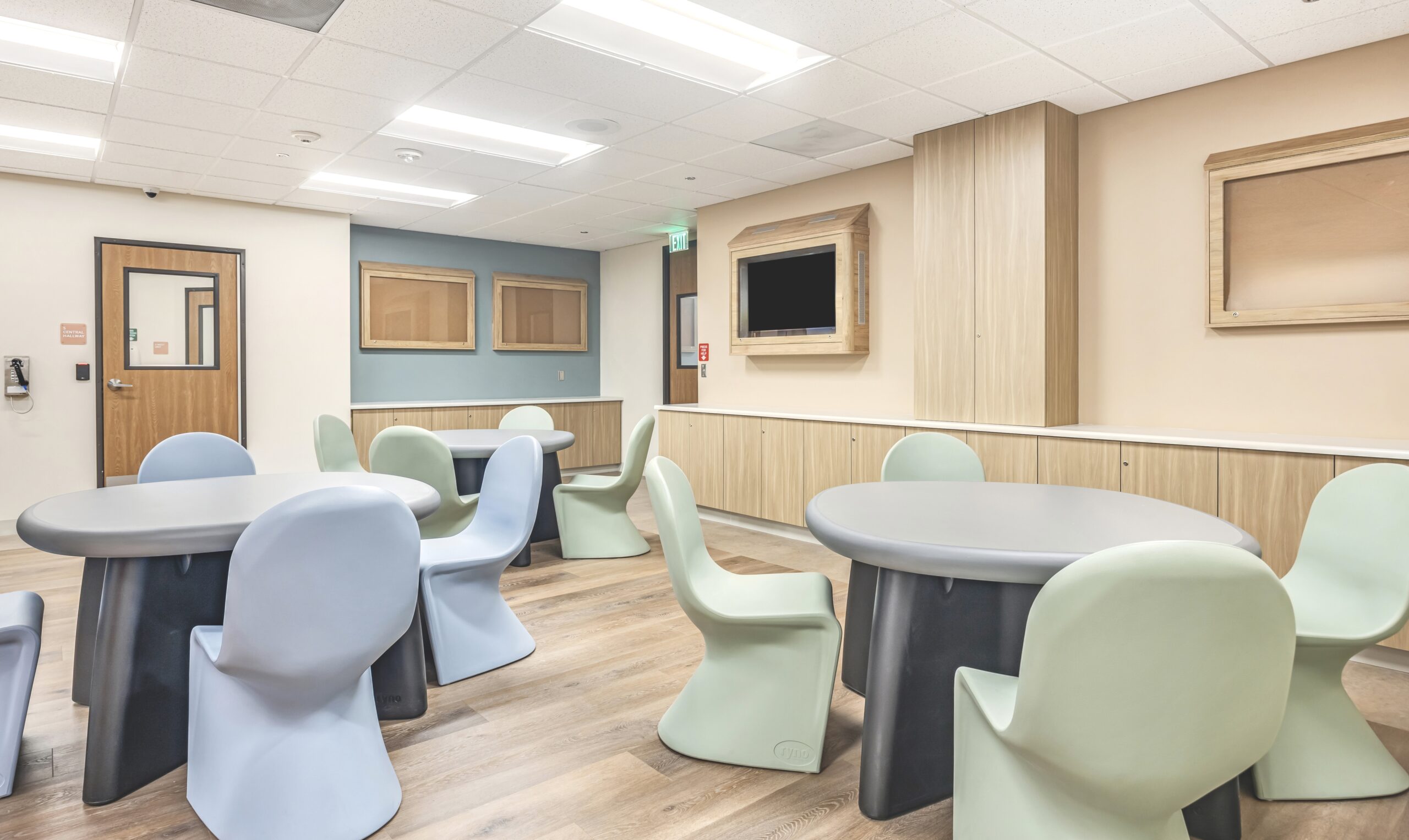
Our 39-bed facility, with 80% of the rooms private so that you can enhance your well-being in comfort, provides access to everyone, no matter your age, physical health, or cognitive health. Your quality of life is our concern, both during your stay with us and after you transition back into your life outside of Ocean View.
Ocean View is an open facility that ensures your safety and ability to access acute psychiatric stabilization without feeling locked in easily. We offer evidence-based psychoeducational, recreation, and life skills classes so you can discover effective, healthy ways to manage your symptoms. Attending a mental health crisis stabilization facility for short-term care should include feeling like you’re in a safe space. Our privacy practices are an essential part of creating the feeling of safety and comfort while you’re with us.
Insurance Verification
When you contact our admissions team, they will verify your insurance while guiding you through the admissions process and helping you take the next step. You can contact us by calling or emailing.

Care and Stabilization for Your Psychiatric Needs Wherever You Are In Your Journey
Onsite Medical Director
Patients meet with the medical director or psychiatric team regularly, ensuring that care plans remain responsive and effective. This high level of involvement helps promote medication compliance, reduce symptom flare-ups, and support long-term stability after discharge.

Taking the Next Steps With Ocean View Psychiatric Health Facility
FAQs
Most insurance providers do cover the cost of mental health treatment. You can talk with one of our admissions team members to verify your health insurance plan’s coverage.
Determining the appropriate level of care involves a comprehensive evaluation by a mental health professional. Ocean View’s team works with patients and their providers to assess symptom severity and needs, guiding decisions on inpatient, partial hospitalization, or outpatient programs. An individual’s mental health condition, current stability, and goals help inform the right level of care.
The severity and type of mental health disorder will determine if your loved one will need medication. Our psychiatric team and medical doctor will determine if medication is appropriate and if it can help your loved one manage their mental health symptoms.
Yes, Ocean View Psychiatric Health Facility treats young adults ages 18 and up as part of their mental health stabilization programs. Their services include inpatient crisis care, partial hospitalization, and outpatient programs designed to meet the needs of diverse age groups, including young adults, with a focus on personalized planning and support.
Our inpatient treatment program can last from 7-10 days or more if necessary, while our PHP and IOP can last at least 30 days. The length of time you need to stabilize and manage your symptoms, while learning healthy coping skills to maintain your clinical improvement, is determined by your unique needs.
Their levels of care, from inpatient to outpatient, include family support and case management services. Social workers collaborate with patients to develop tailored planning and aftercare plans, often involving family members to promote ongoing recovery. Family involvement and support are integral to ensuring a successful transition and continued mental health stability.
Knowing what to look for in an acute psychiatric facility can be overwhelming.
- The Right Program: The right program begins with a comprehensive evaluation of your physical and mental health, as well as your family’s health history. Review the facility’s assessments to determine if its qualifications meet your or a loved one’s mental health needs.
- Not every facility is the right fit for you or a loved one. If it isn’t, they should be willing to refer you to a mental health professional or behavioral health services that meet your needs.
- Professional Team: A licensed, experienced crisis stabilization facility that uses a team-oriented approach and works with you and your family is essential. Look for a facility that provides psychoeducational, recreation-based, and family support groups. The team should include medical doctors, psychiatrists, psychologists, social workers, nurses, and recreation therapists.
- Achieving clinical improvement depends on a highly credentialed team and an evidence-based and holistic approach to care. A team that gives you realistic hope is integral to your long-term success.
- Safety: You shouldn’t feel physically or emotionally unsafe when receiving care. People often discover that the crisis stabilization period is challenging. Finding a place that is empathetic and considers everyone’s needs is vital. You can find a facility that provides a safe space during treatment.
- Acute Psychiatric Stabilization Training: Acute psychiatric crises require symptom and medication stabilization or management. It is vital that a mental health crisis stabilization facility can handle them.
- The facility should have a medical doctor, psychiatrist, psychologist, and social worker trained in crisis stabilization available. All of the team members are crucial to long-term success.
- Individualized Treatment: A psychiatric health facility that creates an individualized treatment plan sees you or a loved one as a person, not a number. It creates support when needed while making a connection.
- Strengths-Based: Find a facility that approaches you or a loved one’s care with empathy and support. They should meet you where you’re at.
- Evidence-Based Care: Look for a mental health facility that uses peer-reviewed, time-tested practices. These practices can provide the best possible outcome.
- Family-Oriented: Family involvement in treatment creates a healthy support system once people transition back into their lives.